
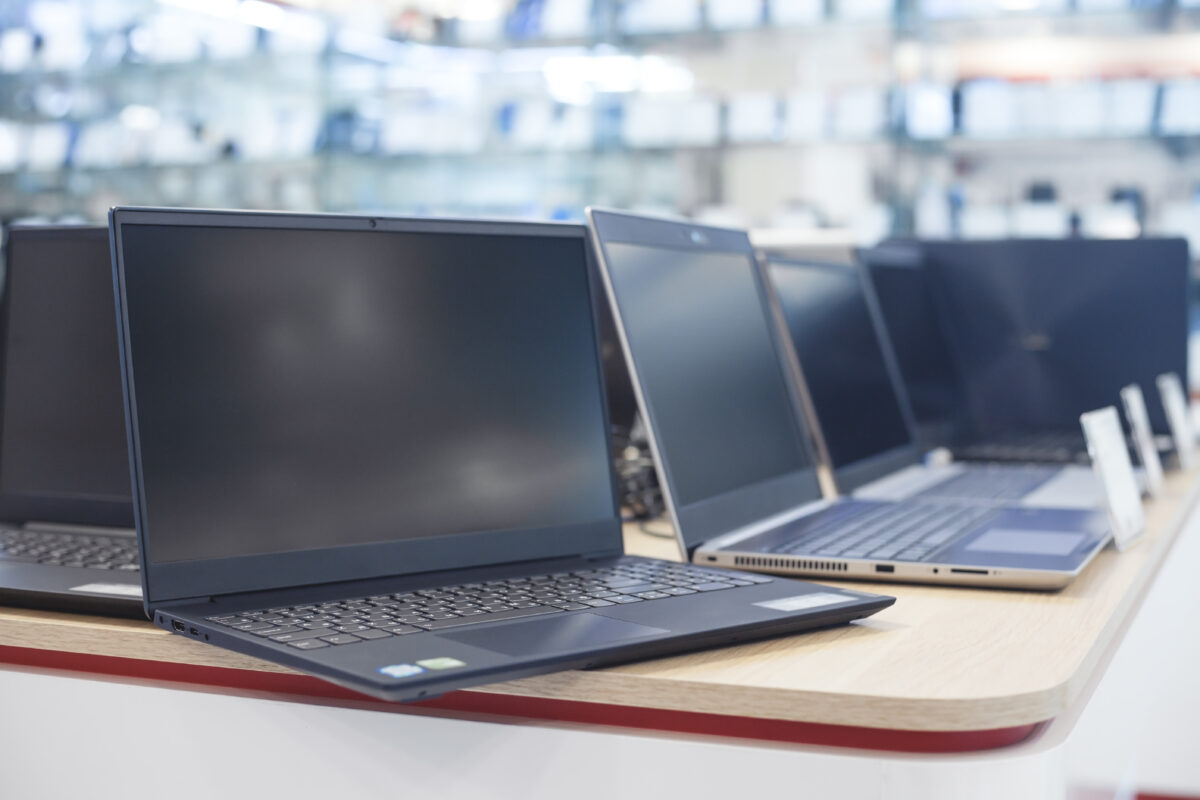
For many enterprises in Singapore, laptop refresh cycles happen every three to five years. IT teams replace aging devices to maintain performance, improve security, and support modern software demands. But what happens to the old devices once the upgrade is complete? Too often, corporate laptops end up sitting unused in storage rooms or are written off as e-waste with no financial return. In reality, those devices still hold measurable resale value.
Through a structured device buyback strategy, companies can recover part of their original investment by reselling retired equipment. A professional IT asset buyback program allows businesses to sell used IT equipment, including laptops, desktops, and servers, while ensuring data security and regulatory compliance. For Singapore enterprises managing large device fleets, laptop buyback transforms routine hardware upgrades into a strategic opportunity to generate revenue, reduce waste, and strengthen IT lifecycle management.
Why Corporate Laptop Buyback Is More Profitable Than Traditional Disposal
Many organisations assume that old laptops have little resale value. However, enterprise-grade devices often retain market demand long after their initial deployment. Instead of paying disposal costs, businesses can sell laptops for cash through structured buyback programs.
Key Financial Advantages
Cost recovery from IT investments
A typical enterprise refresh cycle may involve dozens or even hundreds of devices. When those units are aggregated and evaluated for resale, companies can recover a meaningful portion of their original capital expenditure.
Budget offset for future upgrades
Revenue generated through laptop buyback programs can help offset the cost of new hardware purchases, reducing pressure on IT budgets and simplifying upgrade approvals.
Reduced disposal expenses
Traditional disposal or recycling services may require fees for logistics, handling, and processing. In contrast, IT asset buyback programs convert retired devices into financial return.
Improved asset lifecycle management
Rather than treating old equipment as waste, enterprises treat IT hardware as a managed financial asset with residual value.
For CFOs and procurement teams, this approach turns IT refresh cycles into a revenue-generating activity rather than a pure cost centre.

Preparing Your Enterprise Laptop Fleet for IT Asset Buyback
Before initiating a device buyback, enterprises should perform basic preparation to maximise value and streamline the process.
Asset Inventory
Start by identifying the devices available for resale, including:
- Corporate laptops
- Docking stations and accessories
- Tablets or mobile workstations
- Surplus IT inventory from previous upgrades
Maintaining an accurate asset list allows providers to generate accurate buyback quotes.
Device Condition Assessment
The resale value of laptops depends partly on their physical and operational condition. Enterprises should check:
- Screen condition
- Battery health
- Cosmetic wear
- Functional components such as keyboards and ports
Even devices with minor issues may still qualify for IT asset buyback.
Data Protection Planning
Before any device leaves the organisation, data must be securely removed. This step is critical for regulatory compliance and business protection. Professional buyback providers typically perform certified data wiping based on standards such as NIST 800-88 to ensure that sensitive information cannot be recovered.
Many enterprises also combine buyback services with secure data destruction services as part of a broader IT asset disposal strategy.
What Determines Laptop Buyback Value for Businesses
Not all laptops have the same resale value. Buyback providers evaluate several factors when calculating offers.
Device Specifications
Higher-end models retain stronger resale demand. Factors influencing value include:
- Processor generation
- RAM capacity
- Storage type (SSD vs HDD)
- Graphics capabilities
Business-grade models from major manufacturers often command higher prices in secondary markets.
Device Age
Most enterprises refresh hardware every three to five years. Devices within this range typically still hold strong resale value. Older devices may still qualify for resale or component recovery.
Physical Condition
Cosmetic wear is expected in corporate environments, but severe damage may reduce buyback value. However, organisations can still sell used IT equipment with minor defects through refurbishment channels.
Market Demand
Resale value fluctuates depending on global demand for refurbished electronics. High-performance models often retain strong resale potential in education, startups, and emerging markets.
This is why engaging a specialized IT asset buyback provider with access to international resale networks can significantly increase value recovery.
The Device Buyback Process: From Quote to Payment in Singapore
A structured enterprise buyback program ensures transparency, security, and efficiency.
1. Initial Consultation or Quote
The process begins with an inventory review. Enterprises submit device information such as model numbers, quantities, and condition. Providers then issue a preliminary buyback estimate for the fleet. Businesses can request a fleet buyback valuation to understand the potential revenue from retired devices.
2. Secure Collection or Handling
Once the quote is approved, the provider arranges secure logistics to collect devices from the enterprise location. Chain-of-custody procedures help ensure devices remain protected throughout the transfer process.
3. Certified Disposal or Refurbishment
Devices are processed at certified facilities where data is securely erased using recognised sanitisation standards.
Depending on the condition, equipment may be:
- Refurbished for resale
- Reused for parts
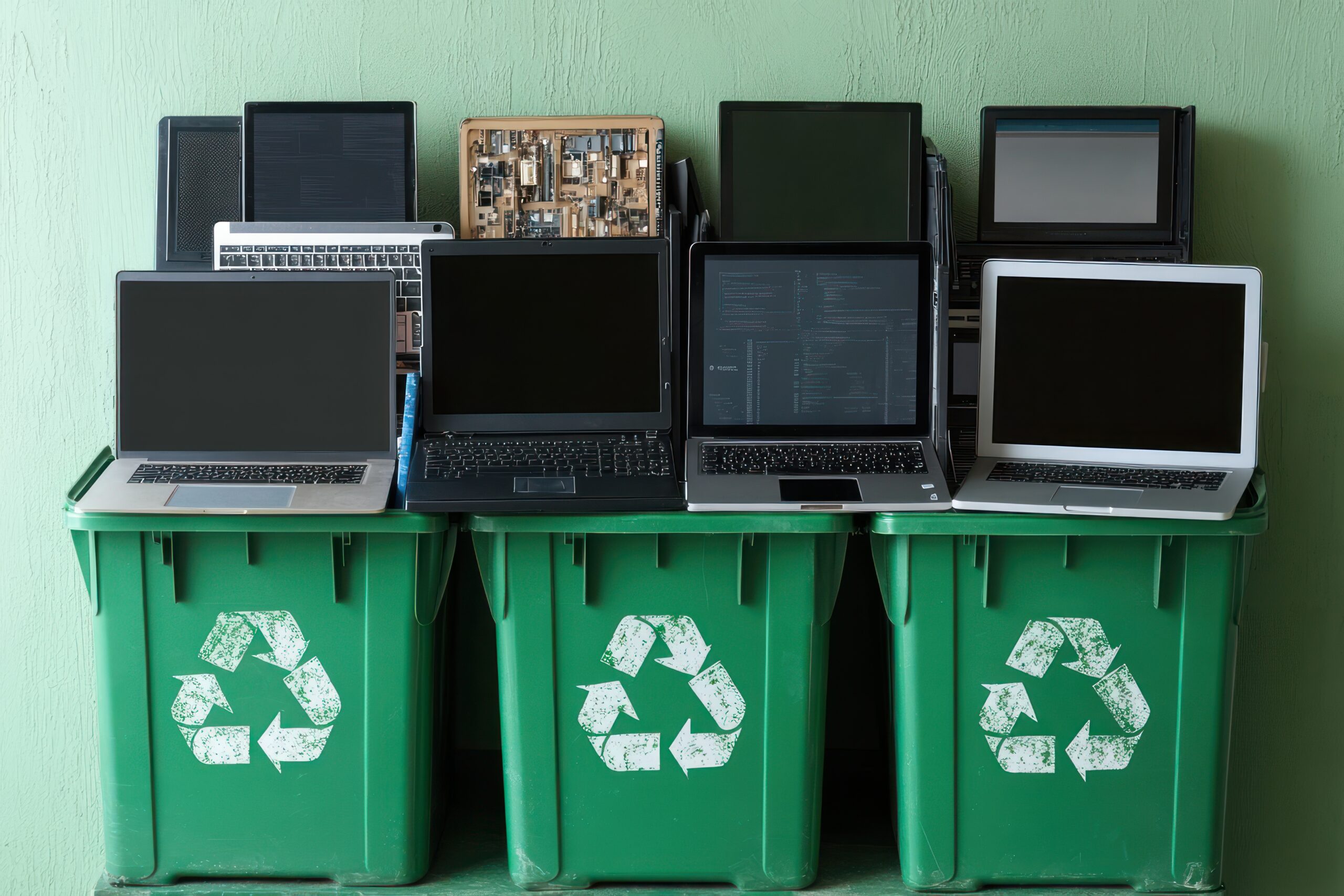
- Recycled responsibly
These practices support sustainable IT lifecycle management and align with Singapore’s circular economy initiatives.
4. Documentation for Compliance
Enterprises receive documentation confirming:
- Data sanitisation completion
- Asset processing records
- Environmental compliance
Working with a certified ITAD provider ensures alignment with global standards such as ISO/IEC 27001 and recognised e-waste regulations.
Maximising Returns When You Sell Used IT Equipment
To achieve the highest value from laptop buyback, enterprises should adopt several best practices.
Standardise Hardware Models
Maintaining consistent device models across the organisation simplifies resale and increases buyer demand.
Schedule Predictable Refresh Cycles
Planning upgrades every three to four years ensures devices retain strong resale value.
Maintain Asset Records
Accurate IT asset tracking helps enterprises quickly identify devices eligible for resale.
Partner with Experienced ITAD Providers
Specialised IT asset management companies understand secondary hardware markets and can maximise resale opportunities.
Organisations exploring buyback services can also see enterprise success stories from companies that have already recovered value from their retired device fleets.
Sustainability and Compliance Benefits
Beyond financial return, device buyback programs also support sustainability goals. Singapore’s environmental initiatives, including the Singapore Green Plan 2030, encourage businesses to reduce electronic waste and promote circular economy practices. Through responsible refurbishment and reuse, enterprises help extend the lifecycle of electronics while minimising landfill impact.
Companies managing e-waste obligations can also review Singapore’s e-waste regulations to ensure compliance with national environmental policies. For organisations with broader asset disposal needs, integrating buyback services with secure disposal solutions ensures consistent and responsible management of both digital and physical information assets.
Why Enterprise Laptop Buyback Matters
Improper IT disposal carries significant risks.
Retired devices may still contain sensitive business information, such as:
- Customer data
- Financial records
- Intellectual property
- Internal communications
Without professional sanitisation, these devices can expose organisations to data breaches and regulatory penalties. At the same time, unused equipment sitting in storage represents lost financial value.
A strategic IT asset buyback program addresses both challenges by combining revenue recovery with secure asset management. For enterprises managing large technology fleets, this approach transforms IT disposal from a liability into a measurable business advantage.
Turn Your IT Refresh Cycle Into Revenue
Corporate laptop upgrades don’t have to end with disposal costs. With the right enterprise buyback program, Singapore businesses can sell laptops for cash, recover IT investment value, and ensure secure handling of sensitive data. TD ITAD helps enterprises sell used IT equipment through a structured process that prioritises data security, compliance, and sustainability.
If your organisation is planning an upcoming hardware refresh, you can request a fleet buyback valuation to discover how much your retired devices may be worth. Turning old laptops into revenue is not just possible, it’s smart IT lifecycle management.
