
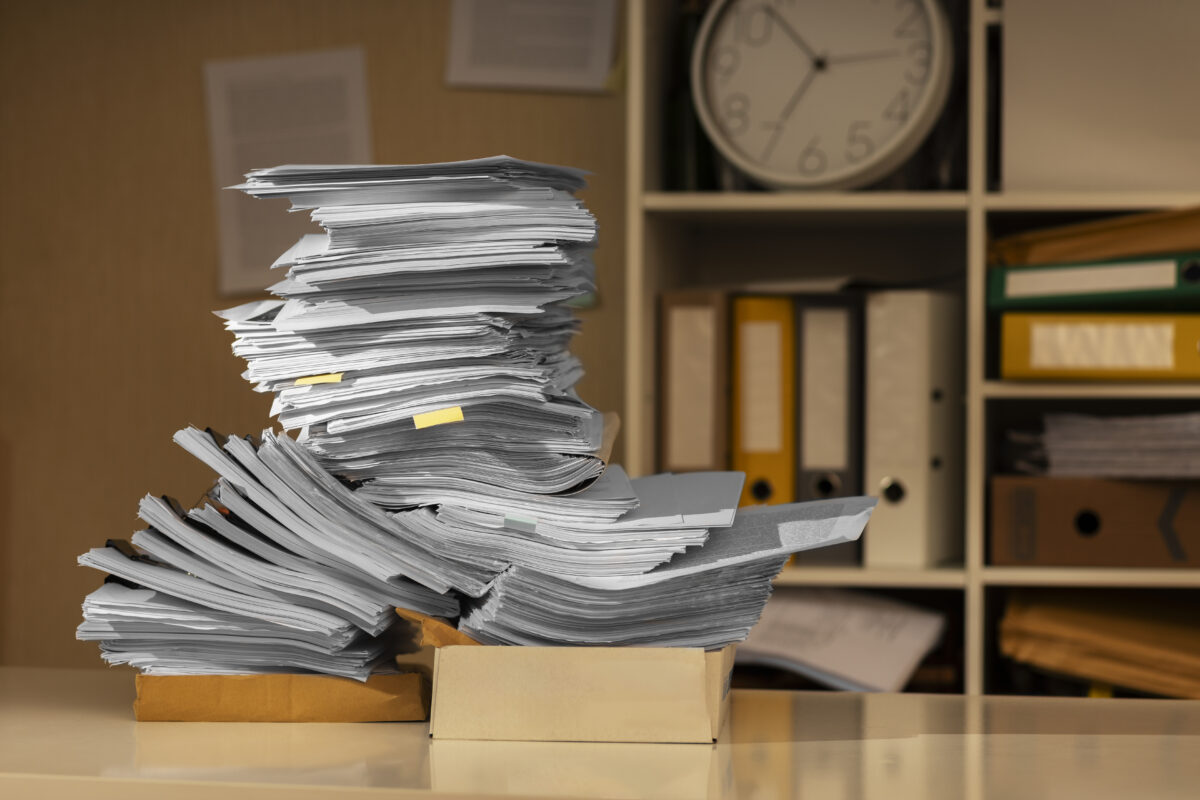
Businesses across Singapore handle confidential paperwork every day — employee records, financial statements, contracts, customer information, and internal reports. While digital security often receives the most attention, physical documents can pose just as serious a risk if they are not disposed of properly. Under Singapore’s Personal Data Protection Act (PDPA), organisations are responsible for safeguarding personal data throughout its lifecycle, including its disposal. Improper paper disposal can lead to data breaches, regulatory penalties, and reputational damage. Despite these risks, many companies still rely on outdated practices such as office shredders or general waste bins. Understanding the most common mistakes can help organisations avoid compliance issues and ensure confidential paperwork is destroyed securely. This guide highlights six critical paper disposal mistakes and how businesses can avoid them with proper shredding practices.
Why Proper Disposal of Confidential Paperwork Matters in Singapore
Many organisations underestimate how vulnerable paper records are once they leave the office. Documents containing personal data, financial information, medical records, or intellectual property must be handled carefully until they are destroyed.
Improper disposal can result in:
- Data breaches and identity thef
- Violations of PDPA regulations
- Legal liabilities and regulatory penalties
- Loss of customer trust
- Corporate espionage risks
For businesses managing large volumes of documents, using professional shredding services Singapore providers is often the most secure and compliant option.
Mistake 1: Using Inadequate Office Shredders for Sensitive Documents
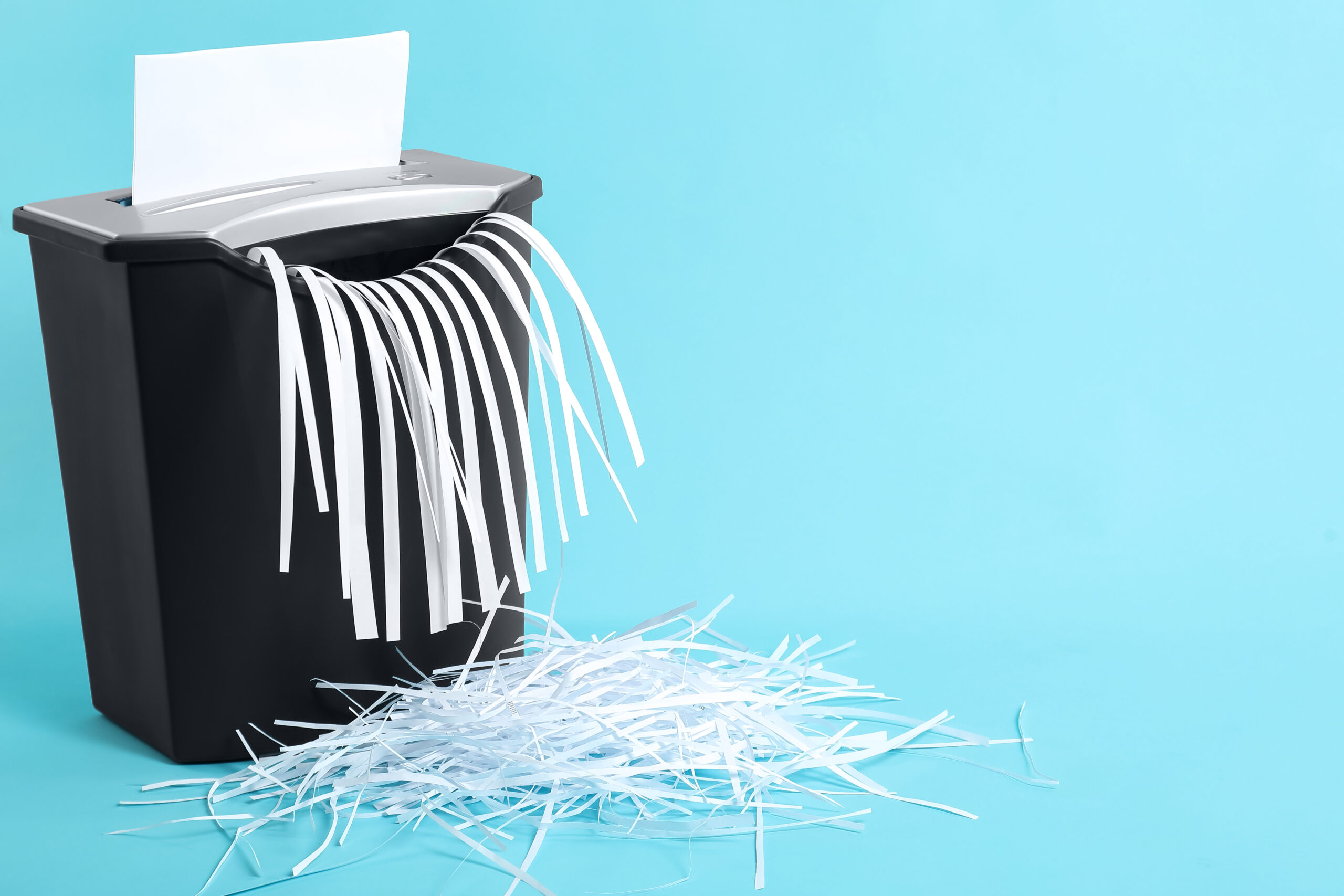
Many offices rely on small desktop shredders to handle confidential paperwork. While these devices may seem convenient, they often provide insufficient security and are not designed for large-scale document destruction.
Basic strip-cut shredders produce long paper strips that can potentially be reconstructed. In addition, office shredders frequently jam, overheat, or become inefficient when processing large document batches. More importantly, internal shredding processes rarely include documentation or verification of destruction.
Professional shredding service providers in Singapore use industrial cross-cut or micro-cut shredding equipment that meets internationally recognised destruction standards such as ISO/IEC 21964. This ensures documents are destroyed and cannot be reconstructed.
Mistake 2: Leaving Documents Unsecured Before Collection
Another common paper disposal mistake is storing confidential documents in unsecured locations before destruction.
Examples include:
- Leaving files on desks or open shelves
- Placing documents in unlocked boxes
- Storing sensitive records near general waste bins
This creates unnecessary exposure. Anyone with access to the office, including visitors, contractors, or cleaning staff, could potentially retrieve sensitive information.
A secure paper disposal process should include locked consoles or secure collection bins where documents can be deposited safely until destruction. Professional shredding providers typically supply tamper-proof containers designed specifically for confidential document storage.

Mistake 3: Not Understanding PDPA Requirements for Paper Disposal
Many organisations assume that simply discarding old paperwork is sufficient. However, the PDPA requires businesses to make reasonable security arrangements to protect personal data, including during disposal. Confidential documents containing personal data must be destroyed in a way that prevents unauthorised access or recovery. Improper disposal could be considered a failure to implement adequate data protection measures.
For companies that regularly handle sensitive records such as legal firms, healthcare providers, financial institutions, and HR departments, secure destruction procedures are essential for compliance. Working with certified shredding services providers helps ensure document destruction processes align with regulatory expectations and industry standards.
Mistake 4: Failing to Track What Documents Were Destroyed
Without proper documentation, organisations may struggle to prove that confidential paperwork was destroyed securely.
This can become a serious problem during:
- Regulatory audits
- Data breach investigations
- Legal disputes
- Internal compliance reviews
Businesses should maintain records showing when documents were destroyed and how they were handled. Professional shredding providers typically issue a Certificate of Destruction after every job. This document confirms that materials were destroyed according to recognised security standards. Maintaining these records supports compliance and strengthens an organisation’s overall data governance framework.
Mistake 5: Mixing Confidential Documents with Regular Waste
One of the most dangerous practices is disposing of sensitive paperwork together with general office waste. Even if documents are placed in sealed bags or boxes, they can still be accessed once they enter the general waste stream. Recycling facilities and waste management companies do not guarantee confidentiality.
Common examples include:
- Throwing old employee records into recycling bins
- Disposing of financial documents with general trash
- Sending unshredded paperwork to paper recycling vendors
Confidential paperwork should always follow a separate, secure disposal process. Dedicated paper disposal systems ensure that sensitive documents are isolated from regular waste and destroyed properly.
Mistake 6: Choosing Unverified Shredding Services Singapore
Not all shredding providers offer the same level of security and compliance. Choosing an unverified vendor can expose businesses to unnecessary risks.
When evaluating a provider, organisations should consider:
- Certification and industry standards compliance
- Chain-of-custody procedures
- Secure transport and handling processes
- Availability of on-site or off-site shredding options
- Documentation such as Certificates of Destruction
Certified vendors follow strict operational protocols to protect sensitive materials throughout the disposal process. Selecting a trusted shredding service provider in Singapore ensures that confidential paperwork is handled responsibly from collection to final destruction.
How to Dispose of Confidential Paperwork Correctly: Best Practice Checklist
Businesses can significantly reduce risk by implementing structured document disposal procedures.
Key best practices include:
- Establish a clear document disposal policy
Define how long records should be retained and when they should be destroyed. - Use secure document collection bins
Install locked containers throughout the office to prevent unauthorised access. - Train employees on proper paper disposal procedures
Ensure staff understand which documents are confidential and how they should be handled. - Schedule regular shredding services
Routine shredding prevents documents from accumulating and reduces security risks. - Maintain destruction records
Keep certificates and logs for compliance verification. - Work with certified shredding professionals
Experienced vendors ensure destruction processes meet recognised security standards.
By following these practices, organisations can protect sensitive information while maintaining compliance with Singapore’s data protection regulations.
Why Secure Paper Disposal Matters for Your Business
Improper disposal of confidential paperwork can have serious consequences. Data leaks from physical documents remain one of the most overlooked cybersecurity risks for businesses.
Secure paper disposal processes help organisations:
- Protect customer and employee data
- Comply with PDPA regulations
- Prevent identity theft and fraud
- Maintain business reputation and trust
- Improve internal data governance
Professional shredding services provide the security, documentation, and operational efficiency needed to manage confidential paperwork responsibly.
Secure Your Documents with Professional Shredding Services
Managing confidential paperwork safely requires more than a simple office shredder. Businesses must ensure that documents are handled, transported, and destroyed according to recognised security standards.
TD ITAD provides secure document destruction solutions designed for organisations across Singapore. Our certified processes ensure confidential materials are collected, shredded, and recycled safely while maintaining full compliance with data protection regulations.
If your organisation needs reliable shredding services in Singapore, our team can help design a secure disposal process tailored to your needs. Contact TD ITAD today to request a quote and protect your business from the risks of improper document disposal.
