
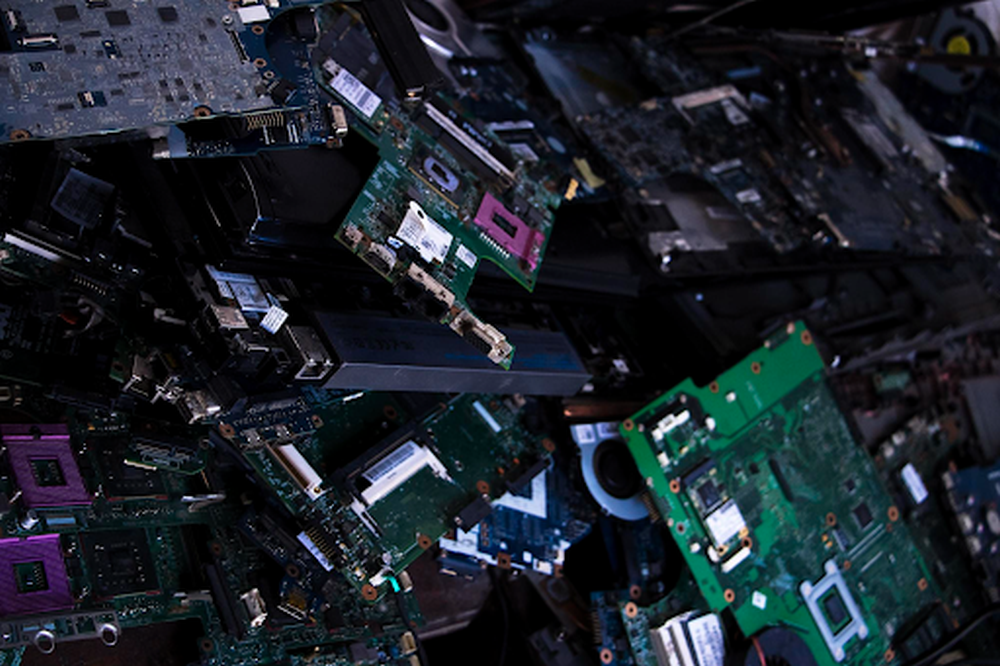
Singapore offices retire laptops, servers, and storage media faster than they handle the data inside them. A file dropped in the recycle bin or wiped through a quick format stays readable to anyone with basic recovery software, and that gap turns every fleet refresh into a quiet liability. Sound data destruction belongs in every IT plan, alongside procurement and warranty. TD-ITAD covers the whole arc from collection through destruction to recycling, with paperwork that holds up under audit.
Why Data Destruction Matters for Businesses in Singapore
Old IT equipment can still contain sensitive data
Laptops, servers, USB drives, backup tapes, phones, and office printers carry payroll records, signed contracts, client emails, and cached credentials long after the original user moves on. Treat each retired device as part of structured it disposals, not as clutter to clear at quarter-end.
Improper disposal can lead to data breaches
The PDPC guidance on managing data breaches treats improper disposal of hard disks, storage media, or paper as a notifiable breach. A skip outside the office is not a chain of custody.
What Is Data Destruction?
Making data unrecoverable, not just deleting it
Data destruction removes or destroys information so no one can reconstruct it from a device. Emptying a recycle bin or formatting a drive only rearranges the pointers; the underlying data sits on the platters, and recovery tools can pull intact files from a so-called wiped disk in minutes.
Different media call for different methods
Hard drives, SSDs, magnetic tapes, optical media, USB sticks, memory cards, and mobile phones each demand a different approach. A capable provider keeps several techniques on hand instead of forcing every device through the same shredder.
Common Types of Media Destruction Services
- Data wiping: software-based erasure overwrites every sector. Data wiping services suit reusable laptops, desktops, and servers heading for redeployment, resale, or buyback.
- Physical destruction: for drives you will never reuse, a hard drive destruction service shreds, crushes, or drills the platters until the data layer is gone.
- Secure recycling: once the data-bearing parts are gone, the casing and board move into parts recovery or e-waste recycling.
For magnetic drives and tapes, a degaussing hard drive process applies a powerful magnetic field that scrambles the data layer without physical impact. It does not work on SSDs, which is why providers run both options.
Hard Drive Destruction Service vs Hard Drive Disposal Service
Hard drive destruction service
Renders data unrecoverable through physical destruction, degaussing, or another approved method.
Hard drive disposal service
A hard drive disposal service covers the wider chain: collection, destruction, recycling, and reporting.
Which service does your business need?
If you hold employee, customer, financial, or healthcare records, verify destruction before any drive moves into recycling or resale.
When Should You Use Secure Hard Disk Disposal?
The PDPC guide to data protection practices for ICT systems says you can physically destroy hard disks, or use degaussing or incineration, when secure deletion is not possible. Faulty media is the classic case, but the rule applies whenever software erasure cannot complete.
Highly sensitive content raises the bar. HR records, customer databases, login credentials, accounting files, contracts, and medical or legal documents all sit at the top of the scale. For audits, expect to produce certificates, serial tracking, and chain-of-custody records as evidence of secure hard disk disposal.
IT Asset Disposal: What Happens to Old Equipment?
- Step 1, collection and inventory: log devices by model, serial, asset tag, storage type, and condition.
- Step 2, wiping or destruction: pick the method against asset condition and data sensitivity.
- Step 3, resale, recycling, or disposal: working units go to reuse or resale; end-of-life devices go to e-waste handling.
- Step 4, reporting: destruction reports, buyback valuations, and certificates close the loop on each it asset disposal cycle.
IT Disposals and E-Waste Recycling in Singapore
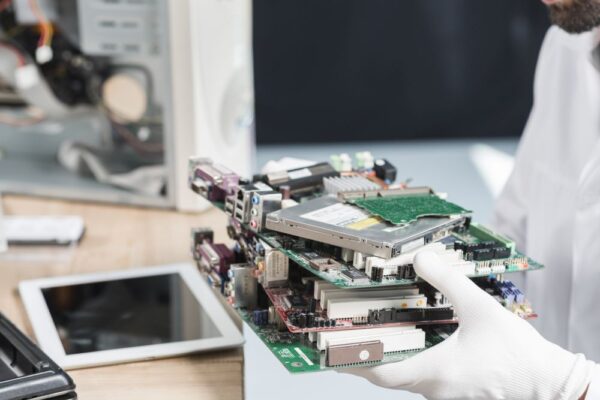
IT equipment sits inside Singapore’s regulated e-waste stream. The NEA e-waste management framework covers desktops, laptops, tablets, phones, printers, monitors, docking stations, and hard disk drives.
Order matters. Wipe or destroy the storage media first, then recycle the metal and plastic. For larger volumes, you can lodge devices at e-waste bins or arrange collection drives and doorstep pickup through the NEA’s where to recycle e-waste directory.
How to Choose a Data Destruction Provider
A credible media destruction services provider should pass a short list of tests:
- Chain-of-custody handling: collection, transport, storage, and destruction documented at every step.
- Range of methods: wiping, shredding, crushing, and degaussing under one roof.
- Asset-level reporting: serial numbers, models, asset tags, method, and final status.
- Responsible recycling: reusable, recyclable, and destroyed media kept apart from intake to dispatch.
Why Choose TD-ITAD?
TD-ITAD handles laptops, desktops, hard drives, SSDs, servers, and mobile devices across the workflow. Wiping, hard drive destruction, full disposal management, and media destruction sit inside one engagement, so procurement does not juggle three vendors and four invoices. Reusable units move into resale or buyback; non-reusable units go to secure disposal or recycling, with certificates and asset reports attached.
Frequently Asked Questions
What is data destruction?
Making stored data unrecoverable through wiping, physical destruction, degaussing, or another approved method.
Is data wiping enough before IT asset disposal?
Wiping suits reusable devices. Damaged, faulty, or highly sensitive media usually need physical destruction.
What is degaussing a hard drive?
A strong magnetic field disrupts data on magnetic drives and tapes. It does not affect SSDs.
What is the difference between IT disposals and IT asset disposal?
IT disposals is the broad term for clearing equipment. IT asset disposal is structured: inventory, destruction, value recovery, and recycling.
Need secure data destruction or IT asset disposal? Contact TD-ITAD for collection, hard drive destruction, data wiping, and IT recycling backed by chain-of-custody paperwork.
